When it comes to choosing the wedding ring that will symbolize your love for a lifetime, the options can seem endless. But don’t worry—this Ultimate Guide to Wedding Rings is here to simplify the process and help you navigate through materials, styles, trends, and customization options.
This guide will assist you in selecting a piece of jewelry that is as distinctive as your connection, whether you’re searching for a classic gold band or a cutting-edge titanium ring, guaranteeing that your choice will be one you’ll treasure forever.
What Are Wedding Rings and Why Are They Important?
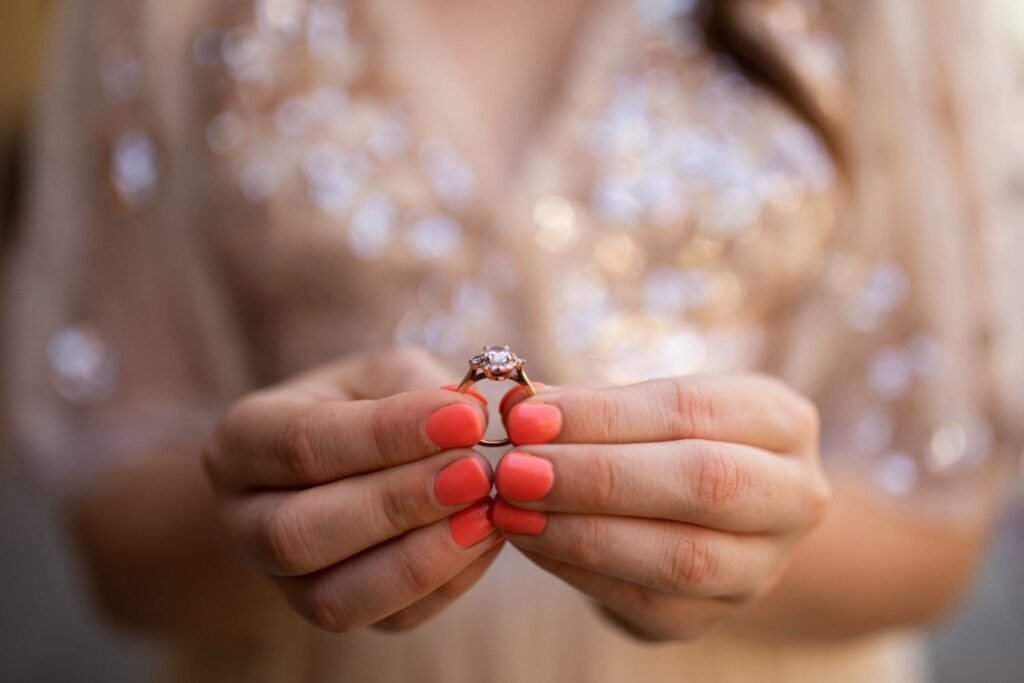
Wedding rings have been exchanged for centuries as a symbol of eternal love and commitment. Traditionally worn on the fourth finger of the left hand, the circular shape of the ring symbolizes eternity with no beginning or end.
While wedding rings are often chosen as a pair, many couples today opt for personalized rings that reflect their individual styles, making them more than just symbols—they’re unique jewelry pieces that tell a personal story.
This is why the Ultimate Guide to Wedding Rings is so valuable—it ensures that you understand every important element when choosing a ring that symbolizes your relationship.
Types of Wedding Rings: Engagement vs. Wedding vs. Eternity Bands
Understanding the difference between engagement rings, wedding bands, and eternity rings is crucial in the decision-making process. Here’s a quick breakdown:
Engagement Rings: The Proposal Ring
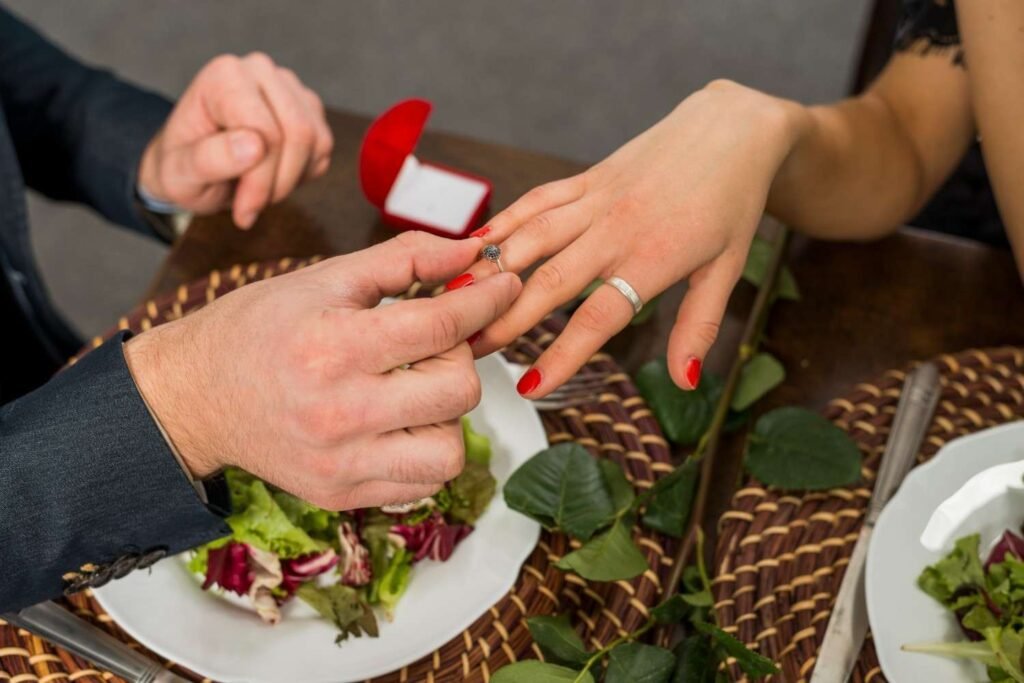
An engagement ring is typically given during a proposal and is often the more extravagant of the two rings. Engagement rings generally feature a diamond or another gemstone and are meant to symbolize the promise of marriage.
Wedding Rings: The Marriage Ring
The wedding ring, also known as the wedding band, is exchanged during the ceremony and represents the vows taken between the couple. Unlike engagement rings, wedding bands are often simpler, featuring a smooth metal design without the addition of gemstones.
Eternity Bands: A Symbol of Lifelong Love
Eternity bands are worn after the wedding and typically feature a continuous band of diamonds or other gemstones around the entire ring. This symbolizes eternal love and commitment.
Popular Materials for Wedding Rings and Their Properties
Choosing the right metal is one of the most important decisions when buying a wedding ring. Not only does it affect the ring’s appearance, but it also impacts its durability and maintenance. Here’s a quick comparison of some popular metals and materials used in wedding rings:
| Material | Durability | Maintenance | Best For |
| Platinum | Extremely high; densest precious metal. | Low; naturally white, no replating needed. | Traditional luxury, hypoallergenic, sensitive skin. |
| Gold | Moderate; softer than platinum. | Requires rhodium replating every 2–3 years for white gold. | Timeless tradition; available in Yellow, White, and Rose. |
| Titanium | Very high; scratch and corrosion-resistant. | Minimal; cannot be easily resized. | Active lifestyles and those seeking lightweight comfort. |
| Tungsten | Highest scratch resistance. | Very low; brittle and can shatter if dropped. | Heavy-duty work environments. |
| Silicone | Flexible and safe. | Easy to clean; inexpensive to replace. | Gym use, manual labor, or as a secondary “backup” ring. |
2026 Wedding Ring Trends: What’s In Style?
The wedding ring landscape is constantly evolving. In 2026, personalization is key, with couples opting for rings that reflect their unique personalities. Here are some of the top trends for the year:
1. Statement Diamond Bands
Move over traditional pavé! Statement diamond bands featuring mixed stone shapes, like emerald and marquise cuts, are gaining popularity. These rings offer a modern twist on a classic design, making them a bold statement.
2. Textured and Sculptural Designs
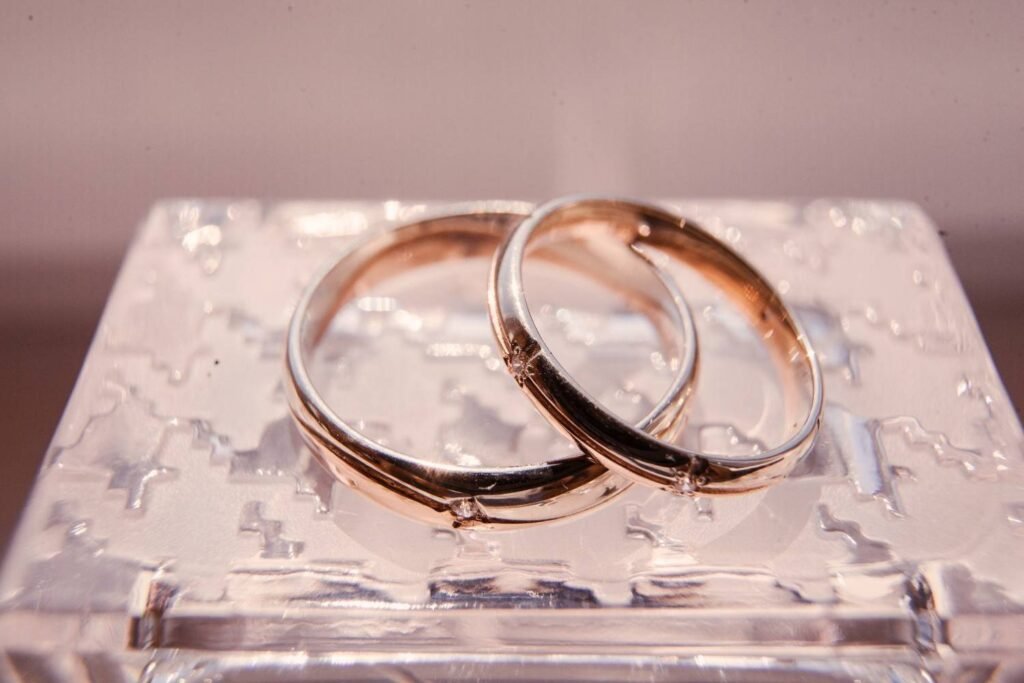
Textured wedding rings, such as hammered, wire-brushed, and matte finishes, are on the rise. These rings feature an organic, artistic touch that appeals to those seeking something distinctive and unique.
3. Mixed Metals
Combining metals, such as a platinum band with a rose gold inlay, is a huge trend. Mixing metals allows for a more personalized ring that still maintains a cohesive design.
4. Alternative Stones
While diamonds will always be a favorite, more couples are opting for alternative stones like Polki diamonds (uncut diamonds) or elongated shapes like oval and cushion cuts. These options offer a fresh and culturally rich twist on the traditional.
How to Choose the Right Wedding Ring: A Step-by-Step Guide
Choosing the right wedding ring doesn’t have to be daunting. Follow these steps to ensure you select the perfect band for you and your partner:
Step 1: Set a Budget
Before you even begin shopping, decide how much you want to spend on your wedding ring. Wedding rings come in a wide range of prices, depending on the material, stone, and craftsmanship. Having a budget in mind will help you narrow down your options and avoid unnecessary stress.
Step 2: Consider Your Metal
Choose a metal that fits both your personal style and your lifestyle. If you have sensitive skin, platinum or titanium might be the best choice. For a classic look, gold—whether yellow, white, or rose—offers timeless beauty. Titanium is perfect for those seeking a lightweight, durable option.
Step 3: Think About the Design
Are you looking for something minimalist or more intricate? Wedding bands come in a variety of styles, from simple, polished bands to more ornate designs featuring diamonds or other gemstones. Choose a design that suits your lifestyle, taste, and how you envision wearing your ring every day.
Step 4: Get Sizing Right
The fit is crucial. You’ll want a ring that is comfortable and won’t slide off, but also not so tight that it’s hard to remove. Get professionally sized at the end of the day when your fingers are at their largest to ensure the perfect fit.
Shopping and Customization Tips
Personalization
Personalizing your wedding ring makes it even more special. Many couples opt for engravings on the inside of the band, such as wedding dates, initials, or meaningful phrases. Secret diamonds or gemstones hidden inside the ring are also becoming a popular choice for personalization.
Timing
Make sure you order your wedding ring at least 3 to 4 months before your wedding. This allows time for resizing, engraving, or any custom designs you may have in mind.
Matching Rings
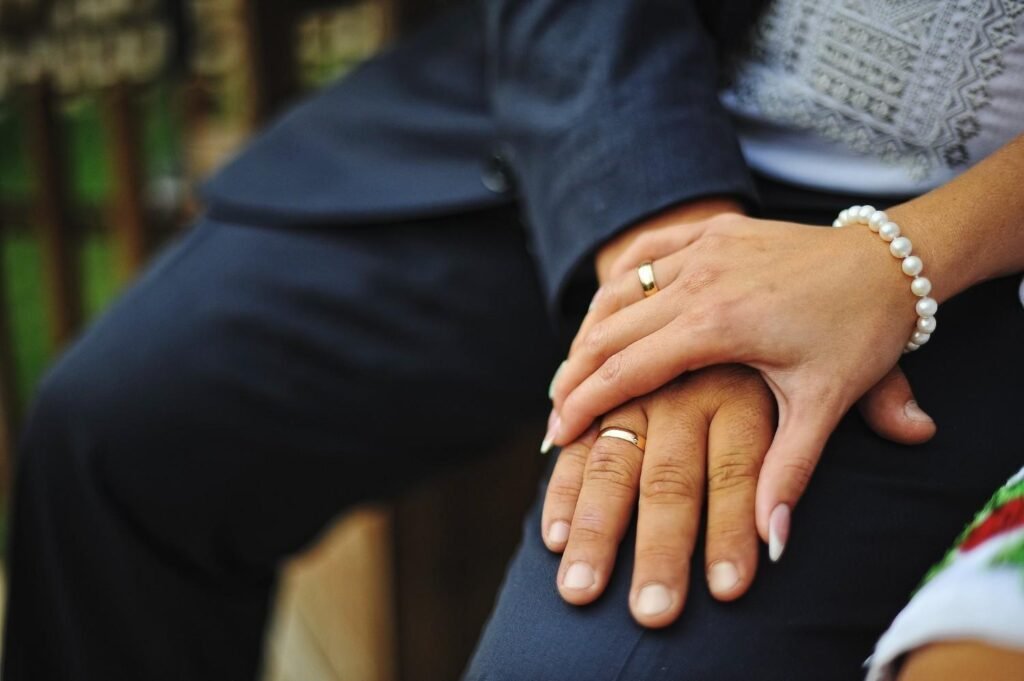
While it’s traditional for couples to have matching wedding bands, there are no strict rules. Many couples today choose complementary styles that reflect their individual personalities. For example, one partner may choose a simple gold band, while the other opts for a more ornate design.
Frequently Asked Questions (FAQs)
1. How Do I Know My Wedding Ring Size?
Visit a professional jeweler to get accurately measured. Remember that finger size can fluctuate due to factors like temperature and time of day, so it’s best to get sized later in the day when your fingers are at their largest.
2. Can I Customize My Wedding Ring?
Yes! Many jewelers offer customization options, allowing you to choose the metal, design, and even add engravings or gemstones. This is a great way to create a truly one-of-a-kind ring.
3. What Is the Difference Between a Wedding Ring and a Wedding Band?
There is no significant difference; the terms are often used interchangeably. However, a wedding band generally refers to the ring exchanged during the ceremony, while a wedding ring can refer to either an engagement ring or wedding band.
4. How Can I Take Care of My Wedding Ring?
Proper care for your wedding ring involves cleaning it regularly with a soft cloth, avoiding harsh chemicals, and having it professionally checked for wear and tear at least once a year.
Key Takeaways
Selecting the perfect wedding ring involves balancing style, material, and budget. Whether you opt for a traditional gold band or a modern titanium design, the most important thing is that it represents your unique bond. Here are the key steps to remember:
- Set a budget and stick to it.
- Choose the metal and design that reflect your lifestyle.
- Get your ring properly sized.
- Personalize your ring to make it uniquely yours.
By following these tips and considering the latest trends, you’ll be on your way to finding a wedding ring that’s perfect for you and your partner.
Conclusion
Choosing the perfect wedding ring is a journey that requires careful thought and consideration. With so many options available, it’s essential to focus on what best reflects your relationship and fits your personal style. From the materials and designs to the right sizing and customization options, the process can seem overwhelming, but it doesn’t have to be.
By following the steps outlined in this Ultimate Guide to Wedding Rings, you can confidently select a ring that symbolizes your unique bond. Ultimately, your wedding ring will be a lifelong reminder of the commitment you’ve made, so take your time and choose wisely.