When it comes to choosing silver for jewelry or household items, many people find themselves wondering: What’s the difference between silver and sterling silver? While both options are beautiful and have their unique appeal, the distinction between them is more than just a matter of appearance.
Understanding the differences in composition, durability, and maintenance can help you make the best decision for your next purchase. Whether you’re investing in a timeless piece of jewelry or picking out a durable set of silverware, this guide will give you the clarity you need to choose the right silver for you!
What Is Pure Silver?
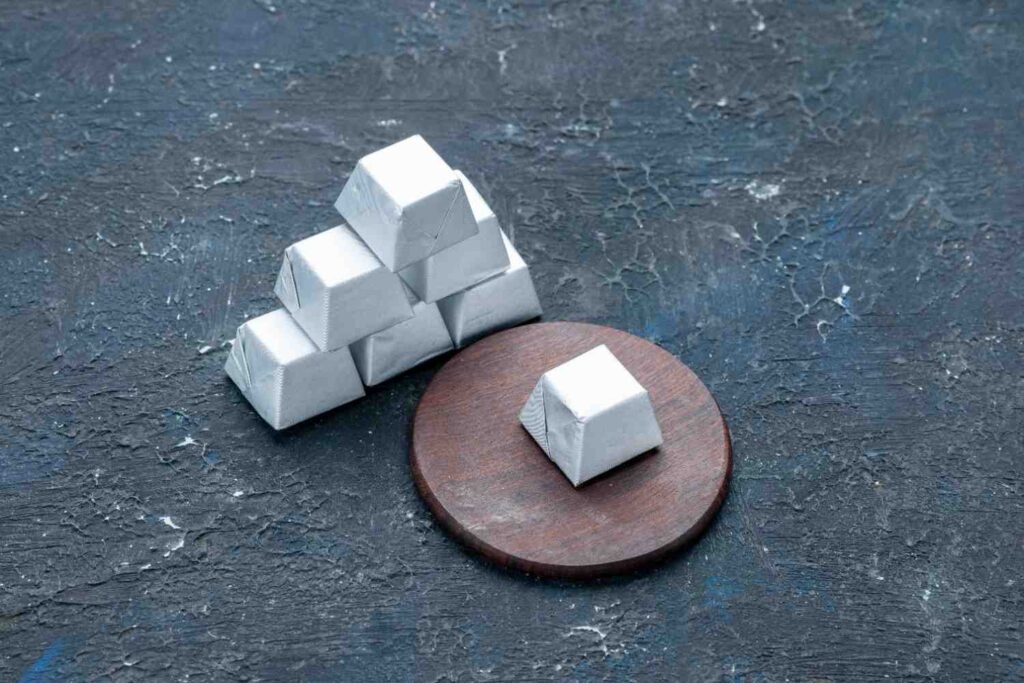
Pure silver, also known as fine silver, consists of 99.9% silver. This high level of purity gives it a brilliant, shiny appearance, making it an attractive choice for jewelry, coins, and other high-end items. Pure silver is naturally soft and malleable, which means it can be easily shaped and molded into various forms.
However, its softness also makes it more prone to scratching and bending, which is why it’s not commonly used in everyday items.
Pure silver is typically marked with a “.999” stamp to indicate its high level of purity. It’s important to note that while pure silver has a beautiful shine, it isn’t ideal for creating durable items like rings or bracelets that need to withstand regular wear.
What Is Sterling Silver?
Sterling silver, on the other hand, is an alloy composed of 92.5% silver and 7.5% other metals, usually copper. The addition of copper helps increase the strength and durability of the silver, making it more suitable for jewelry and other items that require more wear resistance. Sterling silver is the most common form of silver used in jewelry, flatware, and various decorative items.
Sterling silver is usually stamped with the “.925” mark, indicating its 92.5% silver content. This mix of silver and other metals makes sterling silver more durable and long-lasting compared to pure silver, which is why it’s preferred for items like rings, necklaces, and other everyday silverware.
Key Differences Between Silver and Sterling Silver
1. Purity and Composition
- Pure Silver: 99.9% pure silver.
- Sterling Silver: 92.5% silver, with the remaining 7.5% typically made up of copper or other metals.
2. Durability
- Pure Silver: More prone to scratches, bending, and damage due to its soft nature.
- Sterling Silver: Stronger and more durable, thanks to the addition of other metals like copper.
3. Price
- Pure Silver: Generally more expensive due to its higher silver content.
- Sterling Silver: More affordable, making it the go-to choice for many jewelry pieces.
4. Uses
- Pure Silver: Ideal for investment-grade coins, decorative items, or products that don’t undergo heavy wear.
- Sterling Silver: Best for jewelry, tableware, and other items that need to withstand everyday use.
Why Does Sterling Silver Tarnish?
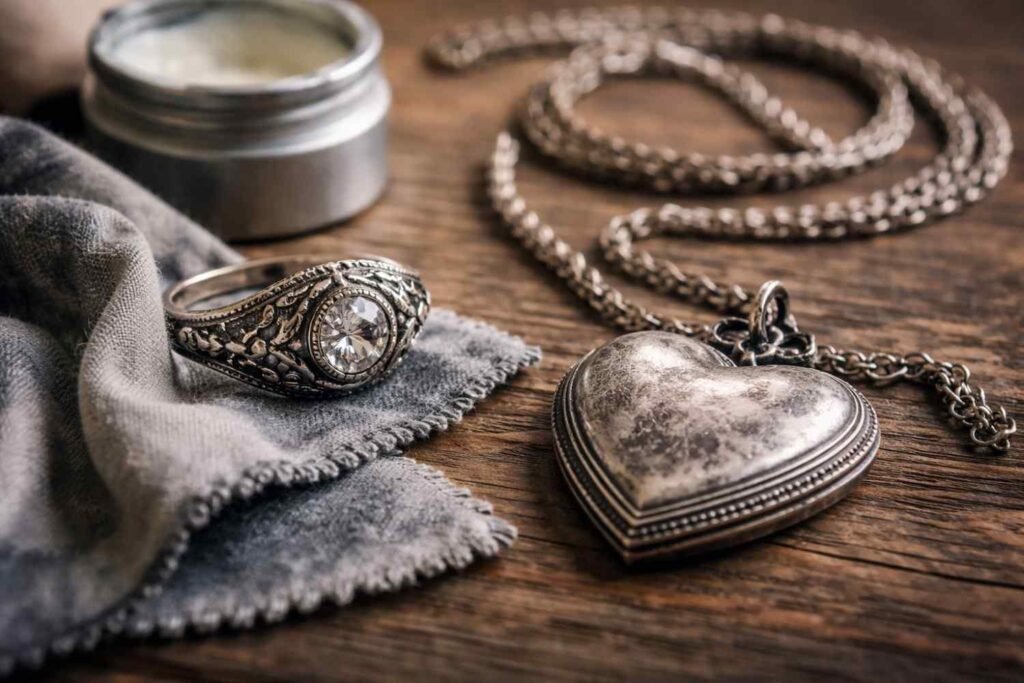
One of the most common questions people ask when considering sterling silver jewelry or products is whether it tarnishes. The short answer is yes — sterling silver does tarnish over time, primarily due to the copper in the alloy. Copper reacts with moisture, air, and sulfur compounds in the environment, leading to the formation of a dull, dark coating called tarnish.
While tarnishing is inevitable, it doesn’t mean your sterling silver items are ruined. In fact, it’s a natural process that can be easily cleaned. Regular cleaning and proper storage can help minimize tarnish and keep your sterling silver looking shiny and new.
How to Prevent Tarnish on Sterling Silver?
One of the most important aspects of caring for sterling silver jewelry is preventing sterling silver from tarnishing, which mainly occurs because of the copper content in the alloy reacting with air and moisture. While tarnish is natural, proper care can greatly slow down the process and keep your jewelry looking bright and polished.
You can reduce tarnish by following a few simple steps:
- Keep It Dry: Avoid wearing sterling silver jewelry in the shower or while swimming. Moisture speeds up the tarnishing process.
- Store Properly: Store sterling silver in airtight containers or anti-tarnish pouches to limit exposure to air and moisture.
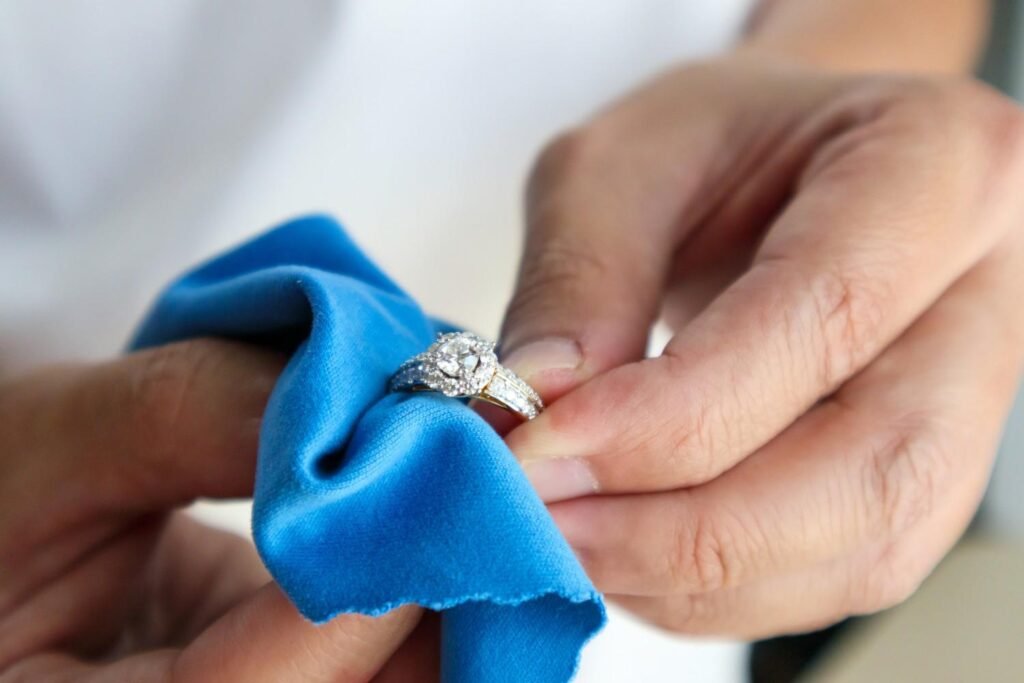
- Regular Cleaning: Clean your sterling silver items with a soft cloth to remove oils and dirt that can lead to tarnishing.
Tarnishing of Pure Silver and Preventive Measures
Although pure silver (fine silver) resists tarnishing more effectively than sterling silver, it is not completely immune. Pure silver tarnishes at a much slower rate, but exposure to sulfur, moisture, and air can still cause it to develop a dull, tarnished layer. Over time, oxidation can occur, leading to a mattified appearance rather than the signature shine it’s known for.
To prevent tarnishing on pure silver, you can take the following steps:
- Keep it dry: Avoid wearing fine silver jewelry in humid environments or while swimming. Moisture speeds up the tarnishing process.
- Store properly: Store pure silver in airtight containers or anti-tarnish pouches to limit its exposure to air and sulfur, both of which contribute to tarnish.
- Regular cleaning: Use a soft cloth to polish your fine silver regularly and remove any oils or dirt that may contribute to tarnishing.
- Avoid chemicals: Remove your fine silver jewelry before using cleaning products, perfumes, or lotions that can introduce chemicals that speed up tarnishing.
By following these preventive measures, you can keep your pure silver items in great condition and preserve their luster for much longer.
How to Tell the Difference Between Silver and Sterling Silver?
Knowing how to identify sterling silver from pure silver is essential when purchasing jewelry or silverware. Here are a few simple ways to tell the difference:
- Check for a Stamp: Sterling silver will be stamped with a “.925” or “Sterling” mark, while pure silver will be stamped with “.999” or “FS.”
- Conduct a Magnet Test: Silver, whether pure or sterling, is not magnetic. However, other metals in alloys (like copper in sterling silver) may cause it to feel slightly magnetic if tested.
- Inspect the Appearance: Pure silver has a brilliant shine, but its softness may cause it to show wear faster. Sterling silver has a slightly more muted shine but is much more resistant to scratches and dents.
The Historical Context of Pure Silver and Sterling Silver
Pure silver has been cherished for thousands of years, with its origins tracing back to Mesopotamia around 3000 BC. It was used for coins, jewelry, and other ceremonial items, symbolizing wealth and facilitating trade across ancient civilizations.
Over time, pure silver became the preferred metal for currency and is still highly valued today, particularly for investment purposes and the production of high-quality coins and jewelry. Its purity and aesthetic appeal continue to make it a sought-after commodity for collectors and investors.
In contrast, sterling silver gained prominence during medieval Europe when it became the standard for currency and coinage, derived from the Old French word esterlin. Over time, sterling silver became favored for jewelry, cutlery, and tableware due to its strength and durability.
Unlike pure silver, which is too soft for everyday items, sterling silver became a trusted material for high-end goods, and its legacy remains strong today in household and decorative items.
Allergic Reactions to Pure Silver and Sterling Silver
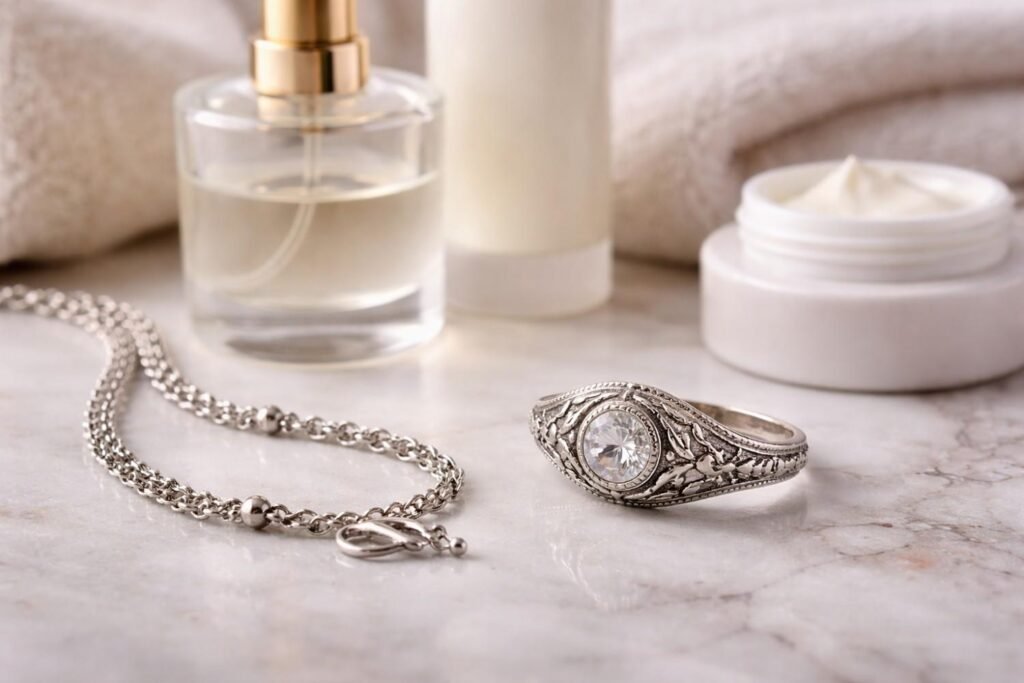
Both pure silver and sterling silver are generally considered safe for most people to wear, but there are important differences to note, particularly regarding allergic reactions. Pure silver is almost 100% silver, making it hypoallergenic for most individuals.
However, people with extremely sensitive skin may experience mild irritation if pure silver comes into contact with substances like perfumes or lotions. For the vast majority, pure silver remains a safe choice for jewelry without concerns of significant skin allergies.
On the other hand, sterling silver can sometimes cause allergic reactions due to the copper content in the alloy. Copper can irritate those with copper sensitivities, leading to symptoms like itching, redness, or swelling.
This is particularly important for individuals who wear sterling silver jewelry for extended periods. If these symptoms arise, it’s advisable to seek out nickel-free alloys or pure silver alternatives to avoid the copper-induced reactions.
Frequently Asked Questions (FAQs)
1. Does sterling silver tarnish?
Yes, sterling silver does tarnish over time due to the copper alloy. However, proper cleaning and storage can minimize tarnish and maintain its shine.
2. Is sterling silver better than pure silver for jewelry?
Yes, sterling silver is better for jewelry due to its strength and durability. Pure silver, while shinier, is too soft for everyday wear.
3. How can I clean tarnished sterling silver?
To clean tarnished sterling silver, use a silver polish cloth or a homemade mixture of baking soda and water to gently remove tarnish.
4. Can I wear sterling silver jewelry every day?
Absolutely! Sterling silver is durable enough for daily wear, making it ideal for rings, necklaces, bracelets, and more.
Silver vs. Sterling Silver — Which One Should You Choose?
The choice between silver and sterling silver ultimately depends on your needs and budget. If you’re looking for a highly durable option for jewelry or daily-use items, sterling silver is the way to go. It combines the beauty of silver with the strength needed for everyday wear.
On the other hand, if you’re after investment-grade purity and don’t mind a little extra care, fine silver may be the right choice for you.
Both types of silver have their unique advantages, so understanding their differences will help you make an informed decision when buying silver jewelry, cutlery, or any other silver products.