I remember staring at my fresh lobe piercing in the mirror a few weeks after getting it done, already imagining how much better it would look with hoops instead of starter studs. The piercing looked fine from the outside. No redness, no swelling, and barely any soreness. Naturally, I assumed it was ready. What I didn’t realize then was that healing and looking healed are two very different things.
Most people reach the same moment of impatience. The excitement of a new piercing makes the waiting period feel unnecessarily long, especially when social media makes hoop earrings look like the default style. But understanding when you can change your lobe piercing to a hoop isn’t just about timing. It’s about how your body heals beneath the surface and why rushing the process often resets progress you didn’t realize was still happening.
Understanding How Lobe Piercings Actually Heal

Earlobes heal faster than cartilage piercings, which is why many people assume the process is simple. In reality, healing happens in stages, and each stage affects when jewelry changes are safe.
At first, the body treats the piercing like a wound. Over time, it forms a tunnel of tissue called a fistula that stabilizes the jewelry. This internal structure is what allows earrings to move comfortably without irritation.
Surface Healing vs Internal Healing
After around six to eight weeks, most lobe piercings look healed externally. Pain decreases, swelling disappears, and the area appears normal. This is the stage where many people believe they can safely switch to hoops.
However, professionals often recommend waiting longer, sometimes up to six months, before wearing hoops regularly. The reason is simple: internal tissue continues strengthening long after visible healing ends. Changing jewelry too early can irritate this developing channel and slow the process significantly.
Why Studs Are Used First
Starter studs are not chosen randomly. They stay relatively still, minimizing friction while tissue forms around them. Hoops behave differently. They rotate, shift during sleep, and move when hair or clothing brushes against them.
That constant motion introduces stress to a piercing that may still be fragile internally, even when it feels comfortable.
Signs Your Piercing Is Ready for a Hoop
Before switching jewelry, the lobe piercing should show consistent signs of stability rather than temporary improvement. Many people rely on time alone, but physical indicators matter just as much.
A healed lobe piercing usually shows these signs:
- No pain or tenderness when touched or gently moved
- No redness, warmth, or swelling around the hole
- No discharge, crusting, or irritation bumps
- Jewelry moves freely without resistance
- Skin appears smooth and even in tone around the piercing
If any irritation returns after movement or cleaning, the piercing likely needs more time.
The Patience Factor Most People Ignore
One thing I learned after multiple piercings is that healing rarely follows a strict calendar. Lifestyle factors like sleeping position, headphones, hair friction, or accidental pulls can slow progress without obvious warning signs.
Waiting a few extra weeks often prevents months of irritation later.
Why Hoops Require Extra Caution
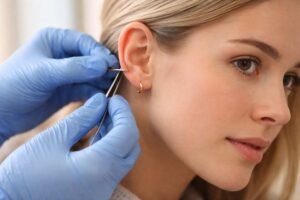
Switching to hoops introduces mechanical movement that studs simply don’t create. This difference explains why piercers often suggest delaying the change even when basic healing milestones are reached.
Movement and Irritation Risks
Hoops rotate naturally throughout the day. Every rotation can pull microscopic debris into the piercing channel. During early healing, this movement increases the risk of irritation, bumps or delayed healing.
Some people experience what piercers call the “cheese-cutter effect,” where heavier hoops gradually pull downward on sensitive tissue, creating soreness or elongation of the hole.
Choosing the Right First Hoop
If you decide your nose piercing is ready, starting gently makes a major difference.
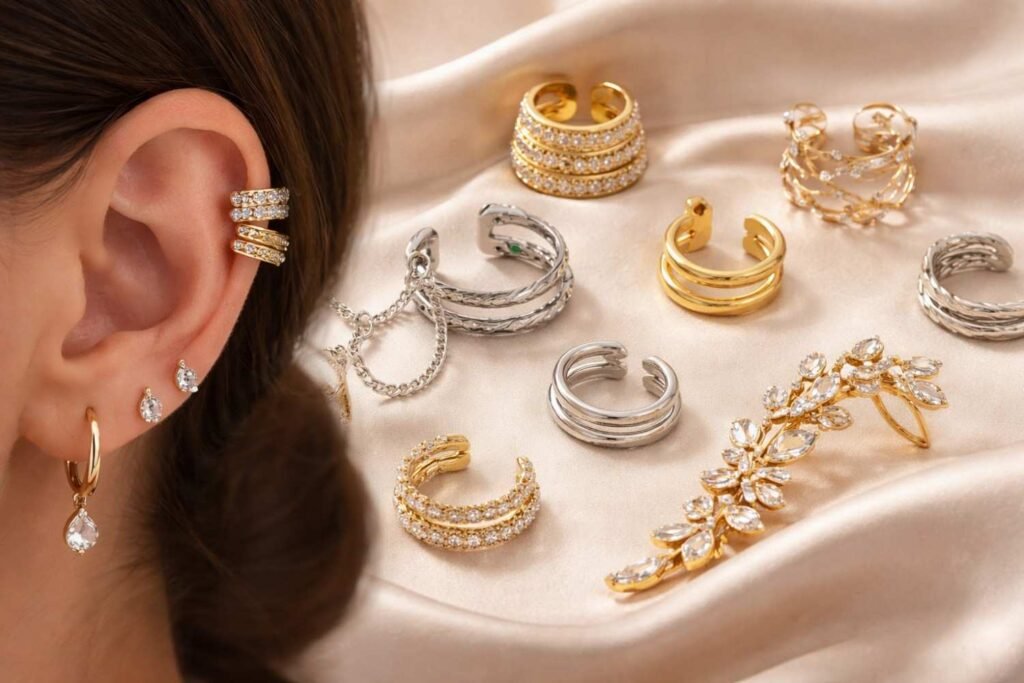
Choose lightweight, small-diameter hoops made from high-quality materials such as titanium, solid gold, or surgical-grade stainless steel. Hypoallergenic metals reduce the chance of irritation while the piercing continues strengthening internally.
Large or heavy hoops may look appealing immediately, but they often cause setbacks during the transition phase.
The Timeline Most Professionals Agree On

Although healing varies by person, a general timeline provides helpful guidance.
- 6–8 weeks: Initial healing stage; piercing looks healed but remains delicate
- 8–12 weeks: Safer window for careful jewelry change if no irritation exists
- 3–6 months: Ideal period for regular hoop wear as tissue stabilizes fully
Even after switching successfully, continuing aftercare habits helps maintain comfort and prevent irritation.
Aftercare Still Matters After Switching
Many people stop cleaning once they change jewelry, assuming healing has ended. In reality, switching jewelry temporarily stresses the piercing again.
Cleaning with saline solution, avoiding unnecessary touching, and removing hoops during activities that cause pulling or friction can prevent setbacks. Treat the first few weeks with hoops as a transition phase rather than the finish line.
FAQs
1. When can I change my lobe piercing to a hoop safely?
Most people can switch after six to eight weeks, but many professionals recommend waiting closer to three to six months to avoid irritation caused by hoop movement.
2. Why do hoops irritate new piercings more than studs?
Hoops rotate and shift throughout the day, creating friction inside the healing channel, while studs remain stable and allow tissue to form undisturbed.
3. What happens if I change my piercing too early?
Changing jewelry prematurely can cause swelling, irritation, bumps, infection risk, or delayed healing that may require switching back to studs.
4. How do I know if my lobe piercing is fully healed?
A fully healed piercing feels painless, shows no redness or discharge, and allows jewelry to move freely without sensitivity or inflammation.
Final Thoughts
Looking back, the hardest part of getting a piercing wasn’t the needle or the aftercare routine. It was waiting long enough to trust the healing process. A piercing can appear perfectly fine on the outside while still rebuilding strength underneath, and that hidden phase is what determines long-term comfort. Respecting that timeline turns a temporary accessory into something you can wear effortlessly for years.
If you’re unsure whether it’s time to switch, waiting a little longer is almost always the safer decision. Your future ears will thank you for the patience.