Birthstones have always intrigued me. From ancient traditions to modern trends, these gemstones carry a significance that has remained strong throughout history. I’ve always found it fascinating how each gemstone, tied to a specific month, holds its own meaning and symbolism.
Curious about the history of birthstones, what they symbolize, or how to choose the perfect one for you? Let me help you navigate it all.
What Are Birthstones?
Birthstones are gemstones associated with each month of the year, and they are believed to bring good luck, protection, and healing powers to those born during that month. This tradition is deeply rooted in history, dating back to ancient civilizations that believed gemstones held mystical powers.
In modern times, these stones are more commonly seen as personal and symbolic, often chosen for jewelry like rings, necklaces, and bracelets.
The History of Birthstones: From Ancient Times to Today
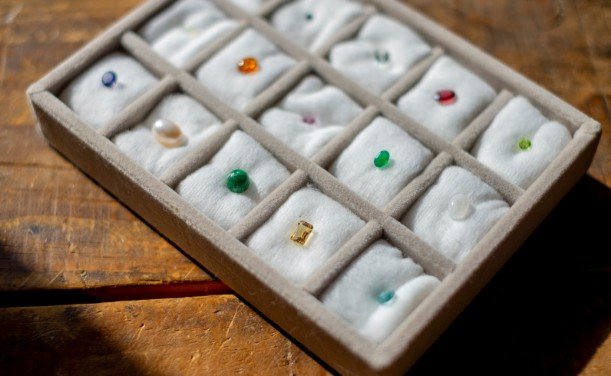
The origin of birthstones dates back to ancient civilizations, including the Egyptians, who believed that gemstones had spiritual significance. They used gemstones for their mystical properties and incorporated them into their jewelry, often in combination with astrology and mythology.
In the Bible, the Book of Exodus mentions a sacred breastplate worn by priests, featuring twelve stones corresponding to the twelve signs of the zodiac. This breastplate became the basis for the modern birthstone list, which was officially adopted in 1912 by the American National Retail Jewelers Association.
Each stone now represents not just a month but the traits, personality, and characteristics associated with those born during that month.
Birthstones and Their Meanings
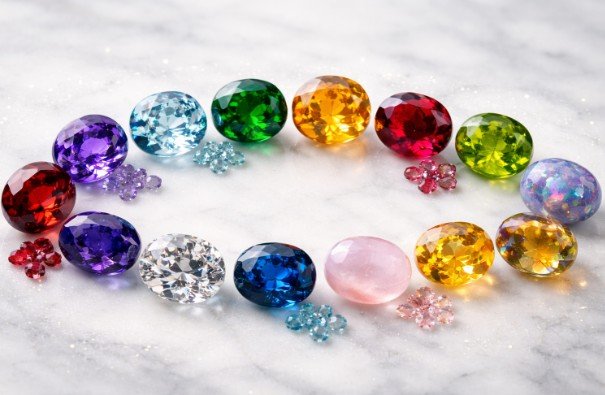
Here is a breakdown of each month’s birthstone and its symbolic meaning:
- January – Garnet: Symbolizes protection, strength, and vitality.
- February – Amethyst: Known for its calming properties, it symbolizes peace and tranquility.
- March – Aquamarine is associated with courage, calm, and health.
- April – Diamond represents purity, strength, and everlasting love.
- May – Emerald known for fertility, rebirth, and love.
- June – Pearl symbolizes wisdom, integrity, and innocence.
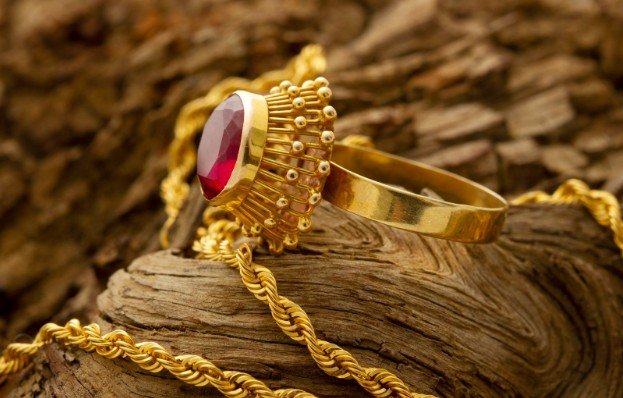
- July – Ruby represents passion, courage, and love.
- August – Peridot symbolizes strength, growth, and healing.
- September – The Sapphire gemstone known for wisdom, loyalty, and nobility.
- October – Opal symbolizes creativity, hope, and protection.
- November – Topaz is known for its healing powers and symbolizes strength.
- December – Turquoise represents health, fortune, and protection.
How to Choose Your Birthstone
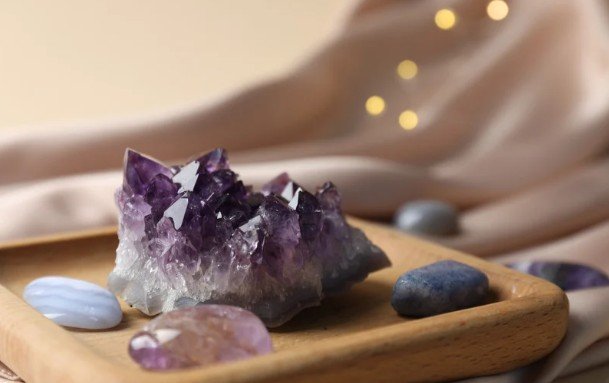
Choosing the right birthstone isn’t just about picking the gemstone that corresponds to your birth month. Here are a few tips to help you make a choice that reflects your personal style and beliefs:
- Personality and Traits: If you’re drawn to a particular stone because of its symbolism, that’s a good place to start. For example, if you value wisdom, you might be naturally attracted to sapphire, a stone often featured in a traditional Southern Gates jewelry collection.
- Color Preferences: Some people prefer certain colors, which can also help guide their decision. For instance, if you love green, an emerald or peridot may be ideal.
- Gemstone Durability: Certain stones, like diamonds, are harder and more durable, while others, such as opals, may require more delicate care. Consider how much wear and tear the gemstone will face.
- Cultural Significance: Some cultures have a specific history of birthstones. For example, in many cultures, birthstones are linked to astrology and can be chosen based on your zodiac sign.
- Jewelry Style: Consider how the birthstone will look in your jewelry. Some stones are more commonly used in specific pieces (e.g., diamond engagement rings) while others are perfect for pendants or earrings.
Frequently Asked Questions
1. What is the significance of wearing a birthstone?
Wearing a birthstone is said to bring good luck, protection, and healing properties to the wearer. It can also symbolize personal connection to your birth month.
2. Can I wear a birthstone that is not mine?
Absolutely! While birthstones are traditionally linked to your birth month, there are no hard rules against wearing someone else’s stone. Many people choose to wear stones based on their favorite colors or meanings.
3. Are birthstones always gemstones?
Technically, yes. However, some stones, like pearls, are organic in nature but still fall under the category of birthstones.
Final Thoughts
When I first started learning about birthstones, I didn’t just view them as pretty gemstones. I began to see them as powerful symbols tied to personal traits, life paths, and even my connection to the universe. Choosing a birthstone is more than just a decorative choice, it’s about reflecting on who you are, what resonates with you, and how that stone can symbolize the best version of yourself.
So, picking a gift, a piece of jewelry for yourself, or simply exploring the deeper meanings behind the stones, I hope this guide has helped you on your journey. I know I feel more connected to my own birthstone than ever before!