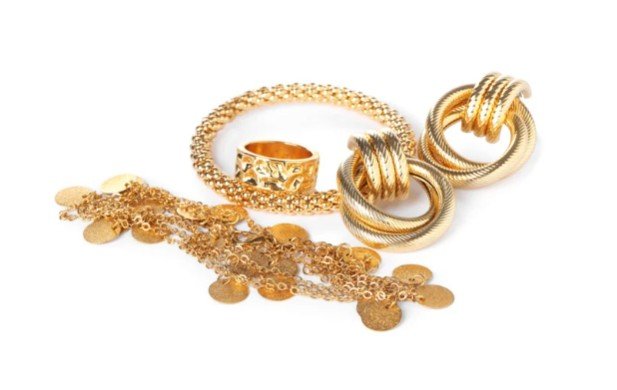
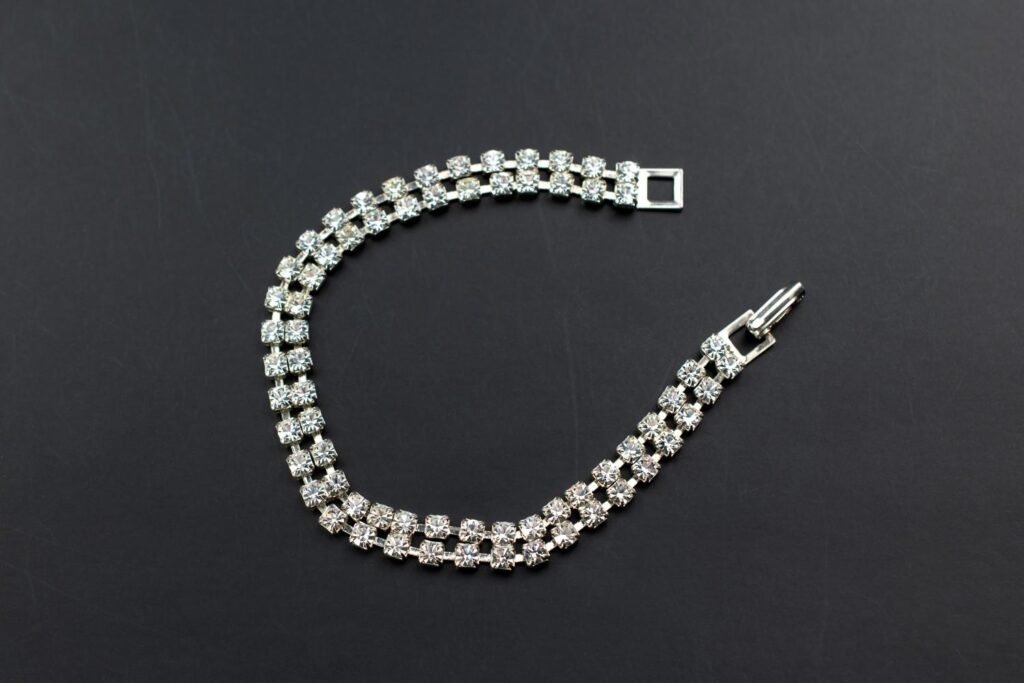
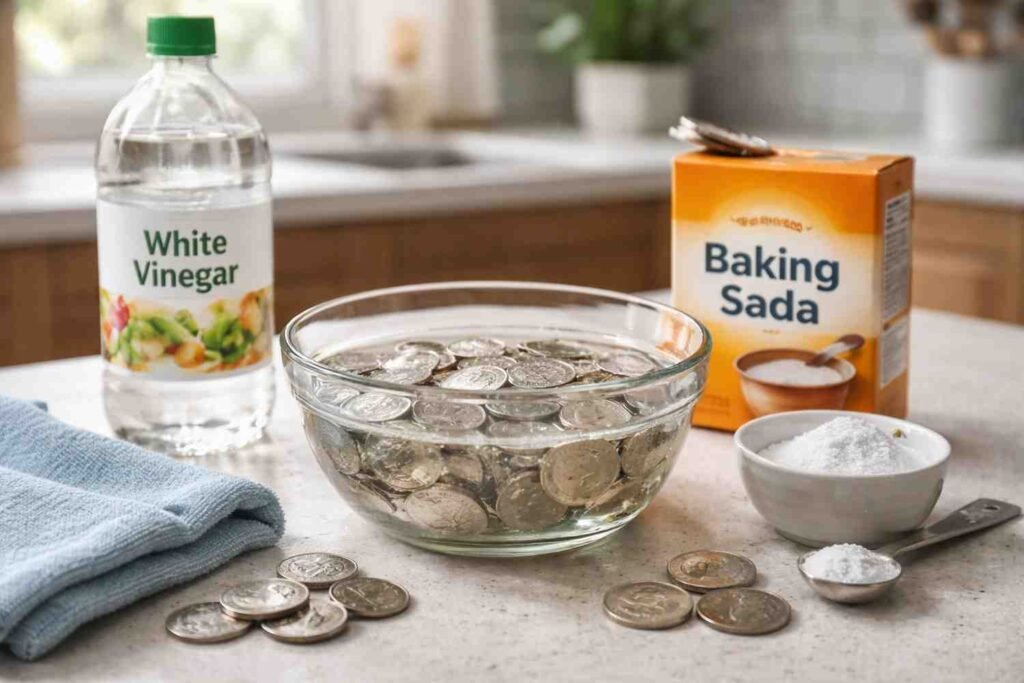
When I talk about white gold, one question I often hear is, “Does white gold tarnish?” I’ve always loved white gold because of its bright shine and elegant look, which is why I see so many people choosing it for engagement rings, wedding bands, and other fine jewelry. However, over time I’ve noticed that white gold jewelry can start to look a little less shiny than when it was brand new.
From what I’ve learned, this usually isn’t actual tarnishing. Instead, it’s the rhodium plating slowly wearing down, which is the layer that gives white gold its bright, reflective finish. Once I understood this, I realized it’s a normal part of owning white gold jewelry and something that can easily be maintained.
What is White Gold?
White gold is an alloy, primarily made from yellow gold mixed with other metals such as palladium, silver, or nickel. The result is a silvery-white hue, which makes it a popular alternative to platinum or sterling silver in jewelry.
However, unlike pure gold, white gold is not naturally silver in color. To enhance its appearance and give it that stunning shine, manufacturers often coat it with a layer of rhodium, a precious metal in the platinum family. This rhodium plating is what makes white gold jewelry so shiny, but it also plays a role in its potential for wear over time.
Does White Gold Tarnish?
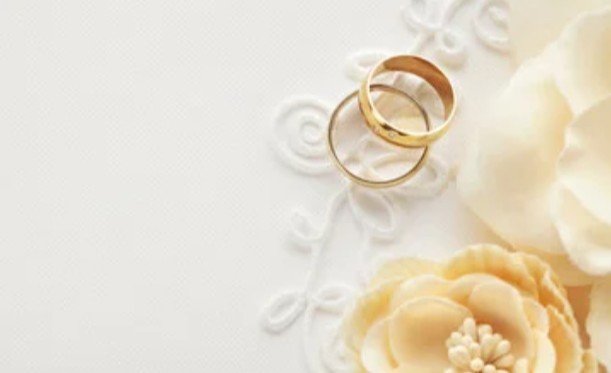
Now, let’s address the question at hand: Does white gold tarnish? The answer isn’t as simple as a yes or no. White gold itself doesn’t tarnish the way sterling silver does, but over time, the rhodium plating can wear off. When this happens, the natural yellowish color of the white gold alloy might begin to show through, making the jewelry appear slightly yellowish or dull.
This change in appearance is what many people mistakenly refer to as “tarnishing”. In reality, it’s just the fading of the rhodium layer, not the actual tarnishing of the white gold underneath.
Why Does White Gold Change Color?
The primary reason white gold may look less shiny over time is the wear and tear of the rhodium plating. The process of plating can be affected by several factors:
- Everyday wear: Constant exposure to dirt, oils, and chemicals from lotions, perfumes, or even the environment can speed up the wear of rhodium plating and may also contribute to sterling silver tarnish over time.
- Scratching or abrasion: As you go about your day, your jewelry may suffer minor scratches, causing the rhodium to thin.
- Acidic substances: Acids from cleaning products or even body perspiration can accelerate rhodium loss.
While this doesn’t mean the white gold is “tarnishing,” it does mean your jewelry might need re-plating to restore its bright, shiny look.
How to Care for White Gold Jewelry?
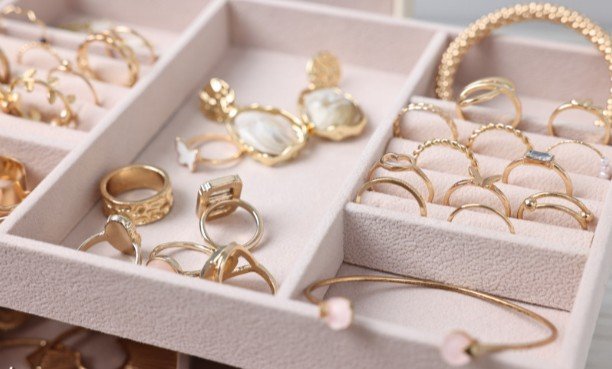
Now that we’ve answered, does white gold tarnish?, let’s talk about how to maintain your jewelry and avoid losing its beautiful shine.
Regular Cleaning
To keep your white gold looking its best, it’s important to clean it regularly. Use a mild soap and warm water solution with a soft cloth or brush to gently scrub away dirt and oils. Avoid harsh chemicals and abrasive cloths, which could scratch the development of rhodium coatings.
Professional Re-Plating
As your white gold jewelry wears over time, you may notice the rhodium layer beginning to fade. If this happens, it’s time for professional re-plating. A jeweler will apply a fresh layer of rhodium to restore its shine and protect the metal underneath. Most jewelers recommend re-plating every 1-2 years, depending on how often you wear the piece.
Storage Tips
To preserve your white gold jewelry, store it in a cool, dry place away from harsh chemicals. Consider using a soft cloth pouch or jewelry box to protect your pieces from scratches and environmental damage.
Frequently Asked Questions
1. Does white gold tarnish like sterling silver?
No, white gold itself does not tarnish the way sterling silver does. The rhodium plating may wear off, which can cause the jewelry to lose its shine, but this is not tarnishing in the traditional sense.
2. How can I tell if my white gold jewelry is tarnished?
If your white gold jewelry looks dull or yellowish, the rhodium plating might have worn off. This is not tarnishing but simply the fading of the protective layer.
3. How long does rhodium plating last on white gold?
Rhodium plating generally lasts between 1 to 3 years, depending on the frequency of wear and how well the jewelry is maintained.
4. Can I prevent rhodium from wearing off?
While you can’t completely prevent rhodium wear, you can slow it down by cleaning your jewelry regularly, avoiding exposure to harsh chemicals, and removing jewelry before physical activities.
Final Thoughts
So, does white gold tarnish? The answer is no—white gold itself does not tarnish like silver. However, the rhodium plating can wear off over time, causing the jewelry to appear dull or yellowish. To keep your white gold pieces looking fresh and shiny, regular cleaning and periodic re-plating are key.
By following these simple care tips, you can ensure that your white gold jewelry stays beautiful for years to come. Keep it clean, store it safely, and if needed, visit your jeweler for re-plating to keep it shining like new!