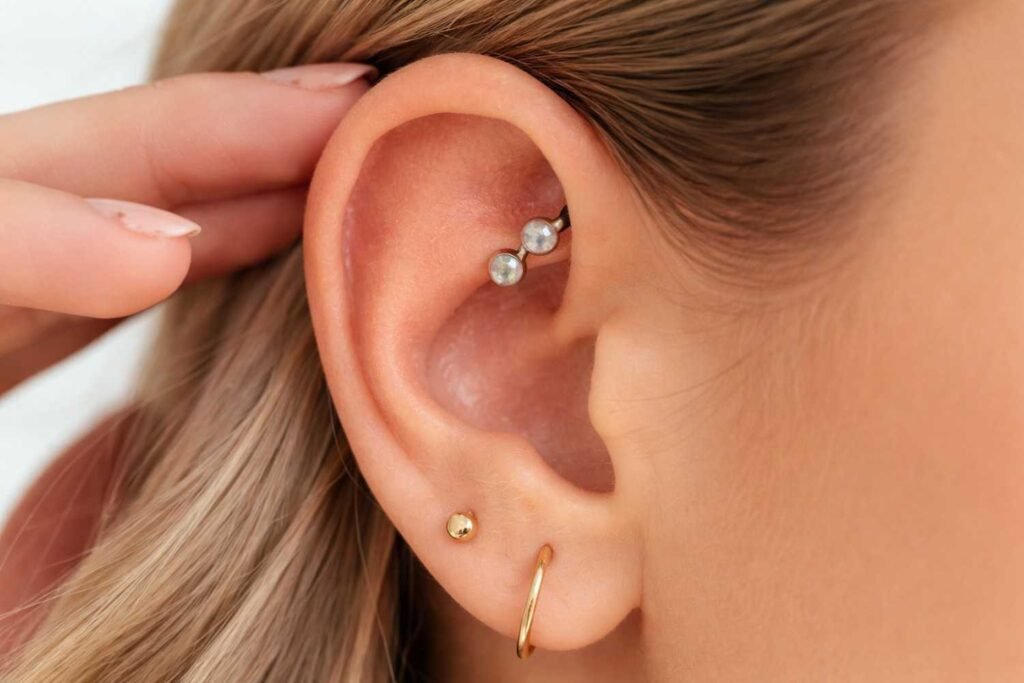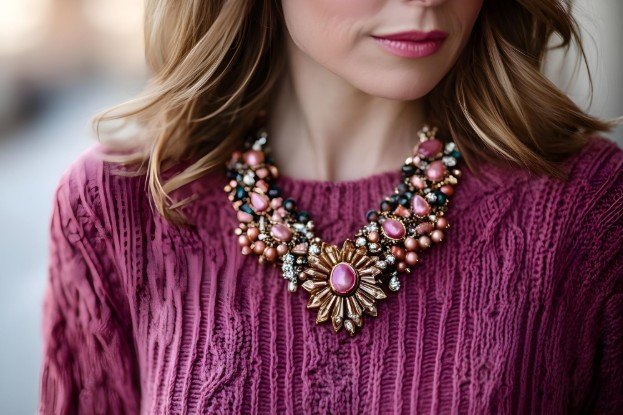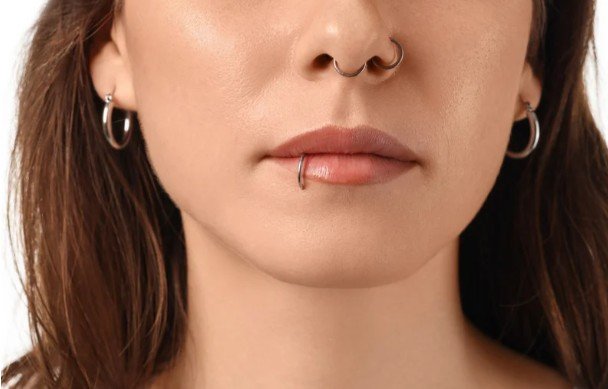
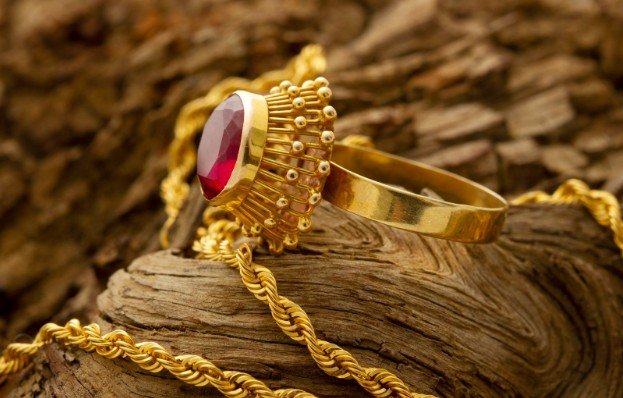
I started buying more affordable pieces that offered the elegance of gold without the hefty price tag. Gold-plated jewelry is a great choice for getting the look of gold at a more accessible price, but I soon realized it isn’t as durable as solid gold.
But just because something looks like gold doesn’t mean it behaves like gold. Gold-plated jewelry, unlike solid gold, can tarnish over time. This happens because the gold layer is quite thin and can wear off or react with elements like air and moisture.
What Is Gold-Plated Jewelry?
Gold-plated jewelry is created by bonding a thin layer of gold to a base metal, typically brass or copper, through a process called electroplating. The result is a shiny piece of jewelry that looks similar to solid gold but comes at a much more affordable price.
The gold layer is extremely thin, which means it can wear off over time, especially with frequent wear. The gold plating adds an attractive sheen, but it’s not as durable as solid gold, which is why it’s important to properly care for it.
Why Does Gold-Plated Jewelry Tarnish?
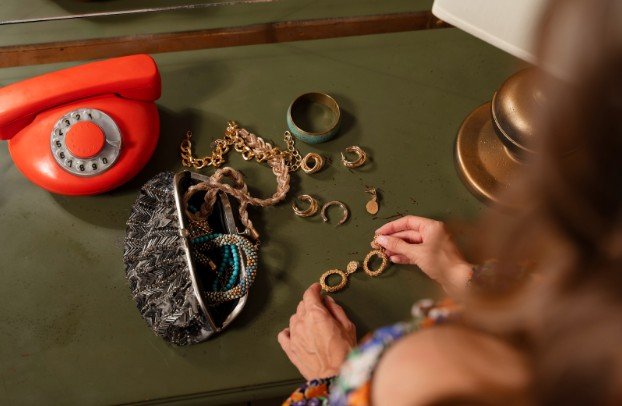
Yes, gold-plated jewelry does tarnish eventually, and here’s why:
1. Wear and Tear
The gold plating on jewelry is quite thin, usually less than 2.5 micrometers thick and as you wear the piece, friction can cause the gold to wear away. This exposes the base metal underneath, which is typically more prone to tarnishing.
2. Exposure to Elements
Gold-plated jewelry is sensitive to water, sweat, perfumes, lotions, and chemicals. These elements can erode the gold plating or cause discoloration of the base metal. Moisture and chemicals like chlorine or saltwater are especially damaging.
3. Improper Storage
When not stored correctly, gold-plated jewelry is exposed to air and moisture, which accelerates the tarnishing process. Exhausting humid environments or leaving jewelry out in the open can increase the likelihood of tarnishing.
How Long Does Gold-Plated Jewelry Last?
Gold-plated jewelry typically lasts between 1 and 3 years, depending on factors like how often you wear it, how well you take care of it, and the quality of the gold plating. Jewelry that’s exposed to the elements regularly (like water or sweat) will likely tarnish much faster than jewelry that is worn occasionally.
The thickness of the gold plating also plays a role in how long the jewelry will last. The thicker the gold layer, the longer it will take for the gold to wear off. But remember, no matter how thick the gold plating is, it will eventually tarnish due to daily wear.
Can You Prevent Tarnishing of Gold-Plated Jewelry?
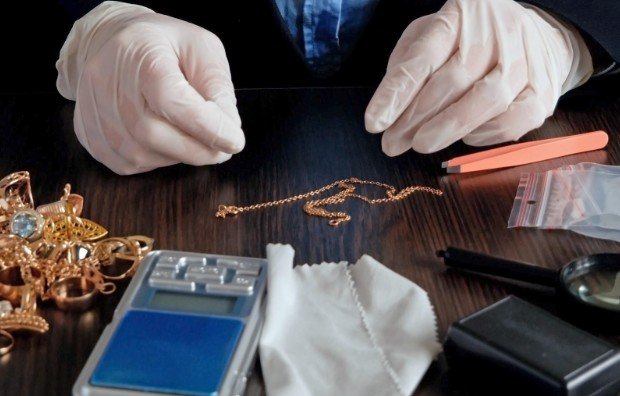
While you can’t completely prevent gold-plated jewelry from tarnishing, you can definitely slow it down with proper care. Here are some tips to help keep your jewelry looking shiny and new:
1. Avoid Water and Sweat
Remove your gold-plated jewelry before swimming, showering, or exercising. Water and sweat cause the gold plating to wear off faster, so keeping it dry is key to longevity.
2. Stay Away from Chemicals
Perfumes, lotions, and cleaning products can damage the delicate gold layer. Always apply these products first and wait for them to dry before putting on your jewelry.
3. Store It Properly
When you’re not wearing your jewelry, store it in a cool, dry place, away from the open air. Keeping it in a jewelry box or pouch helps reduce exposure to moisture and air, preventing tarnishing and helping untangle a necklace without damage when chains are stored separately.
4. Clean Gently
Clean your gold-plated jewelry regularly, but do so gently. Use a soft cloth to wipe off any oils or dirt. Avoid harsh cleaning solutions or abrasive materials, as they can scratch and damage the gold plating.
Gold Plated vs. Gold-Filled vs. Solid Gold: What’s the Difference?
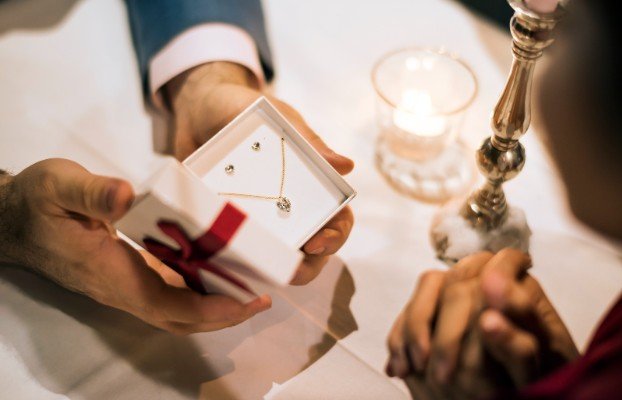
If you’re deciding between gold-plated, gold-filled, and solid gold, it’s important to understand their key differences:
1. Gold-Plated
Gold-plated jewelry has a thin layer of gold bonded to a base metal, like brass or copper, through electroplating. While it looks similar to gold, it is the least durable and most prone to tarnishing.
2. Gold-Filled
Gold-filled jewelry has a much thicker layer of gold compared to gold-plated. The gold layer is mechanically bonded to the base metal, which makes it more durable and tarnish-resistant. It’s a great option if you’re looking for something more long-lasting but still more affordable than solid gold.
3. Solid Gold
Solid gold jewelry is made entirely of gold and does not have a plating or bonding layer. It’s the most durable option and won’t tarnish or wear off over time. It is, however, much more expensive than both gold-plated and gold-filled jewelry.
Frequently Asked Questions
1. Can You Shower with Gold-Plated Jewelry?
It’s best to avoid wearing gold-plated jewelry in the shower. Water can cause the gold plating to wear off faster, and exposure to soap or shampoo can damage the finish.
2. Can Tarnish on Gold-Plated Jewelry Be Reversed?
Tarnish on gold-plated jewelry can’t always be reversed, but some mild tarnish can be cleaned off with a jewelry polishing cloth. For severe tarnish, it’s best to take your jewelry to a professional for cleaning.
3. Is Gold-Plated Jewelry Hypoallergenic?
Gold-plated jewelry is often made with base metals like brass or copper, which can cause irritation in some people. If you have sensitive skin, look for hypoallergenic gold-plated jewelry options.
Final Words to Say
So, does gold-plated jewelry tarnish? Yes, it does, but with proper care, you can slow down the process and keep your jewelry shining for years. Always remember to protect your gold-plated jewelry from water, sweat, chemicals, and improper storage.
By following the tips outlined in this blog, you can enjoy your gold-plated pieces for as long as possible. If you’re looking for a more durable alternative, gold-filled or solid gold jewelry may be a better option.