When it comes to purchasing gold, whether for investment or as a beautiful piece of jewelry, it’s important to ensure that what you’re buying is the real deal. But how can you tell if gold is real? Fortunately, you don’t need expensive professional tests to get an answer.
There are simple, effective methods you can use at home to check the authenticity of your gold. This guide on How to Tell If Gold Is Real (Simple Testing Methods) will help you verify whether your gold is genuine without any hassle.
In this blog, I’ll walk you through some easy and reliable ways to test gold, and help you determine if your gold is authentic. So, let’s dive in!
Why It’s Important to Know If Gold Is Real
Gold is a precious metal, and its value is largely determined by its purity. Fake or counterfeit gold can closely resemble real gold but lacks the same value. Knowing how to tell if gold is real (simple testing methods) can save you from losing money on fraudulent items.
Checking the genuineness of your gold is crucial, regardless of whether you inherited it, purchased it from a stranger, or are just inquisitive.
With the following simple gold testing methods, you can check for authenticity from the comfort of your home. Let’s dive into the most reliable ways to determine whether your gold is real or not.
Simple Gold Testing Methods You Can Do at Home
There are several straightforward methods you can use to test the authenticity of gold. By combining these techniques, you can get a strong indication of whether your gold is real.
1. The Magnet Test: Is It Magnetic?
Gold is non-magnetic, so this test is an easy way to identify fake gold. If your gold item is attracted to a magnet, it likely contains other metals or is entirely fake. This simple test eliminates the possibility of your gold being counterfeit.
How to Do It:
- Use a strong neodymium magnet (a refrigerator magnet works well).
- Hold the magnet near your gold item.
- If the magnet sticks, your gold is likely not real.
While this test can rule out some fake items, it’s best to use additional methods for confirmation.
2. The Visual Inspection: Check for Hallmarks
Real gold typically features a hallmark or stamp indicating its purity. Common markings include “24K,” “18K,” “14K,” or “10K,” which denote the amount of gold content in the piece.
How to Do It:
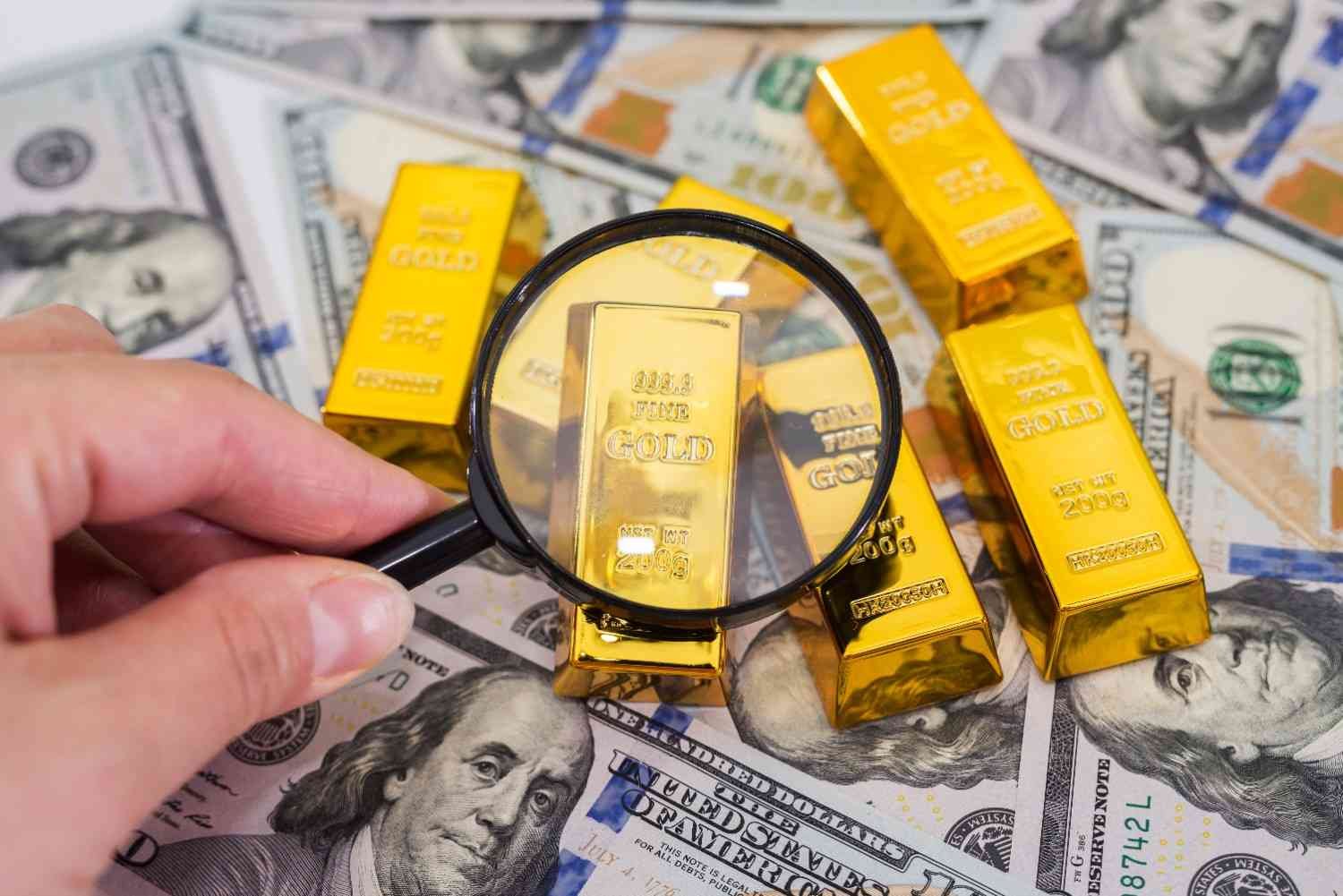
- Use a magnifying glass to closely inspect the item for stamps or engravings.
- Check for purity markings such as 24K (pure gold), 18K (75% gold), or 14K (58.3% gold).
- Be aware that some counterfeit gold may also feature fake hallmarks, so always combine this test with others.
3. The Density Test: Weigh and Measure
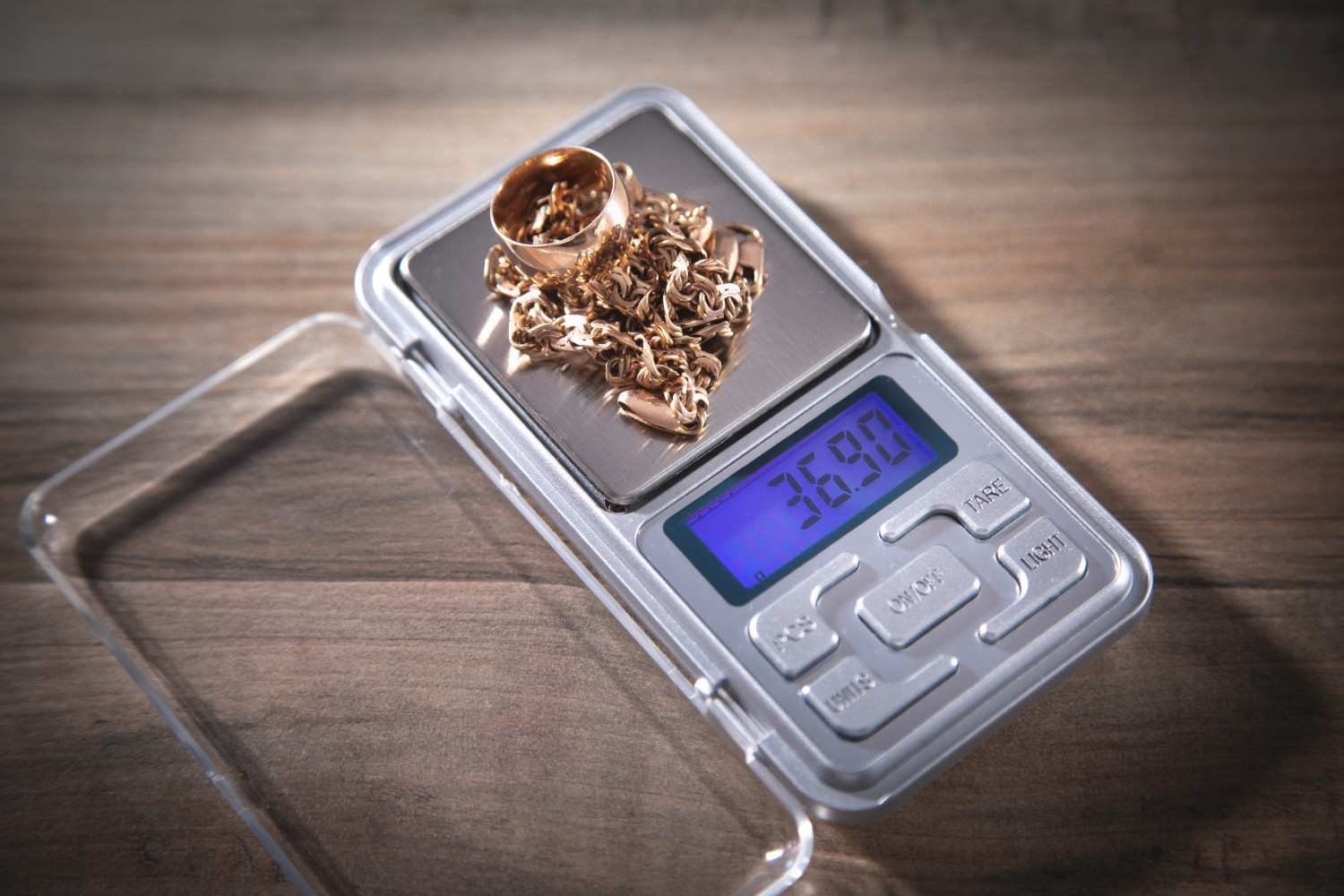
Gold is a dense metal, which means it weighs more than other metals of the same size. This method compares the weight of your item to its volume and is highly accurate when performed correctly.
How to Do It:
- Weigh your gold item using a precise scale (in grams).
- Measure the volume by submerging the gold in water and measuring the displacement.
- Compare the weight-to-volume ratio with the known density of gold (19.32 grams per cubic centimeter). If your item doesn’t match, it’s not real gold.
This test requires accurate measurements and works best for solid gold items.
4. The Ceramic Plate Test: The Streak Test
A popular method for testing gold is the ceramic plate test. When real gold is rubbed across an unglazed ceramic plate, it leaves a golden streak, while fake gold leaves a black or grey streak.
How to Do It:
- Use an unglazed ceramic plate or tile (an unglazed piece of pottery works well).
- Lightly scratch your gold against the ceramic surface.
- Check the streak left behind. If it’s golden yellow, you likely have real gold. If it’s black or grey, your gold item may not be real.
This test is effective but can cause scratches to your gold, so use it cautiously.
5. The Acid Test: Professional-Level Testing at Home
If you need a more reliable test, the acid test is a great option. It involves using nitric acid to observe how your gold reacts. Real gold will remain unchanged, while fake gold will turn green or milky.
How to Do It:
- Scratch the gold item slightly to expose a small amount of the surface.
- Apply nitric acid to the scratch.
- If the gold doesn’t change color, it’s real. If it turns green or milky, it’s fake.
This method is highly accurate, but use it sparingly as it can damage the item. Always do this test in a well-ventilated area, and consider professional help if you’re unsure.
6. Advanced Methods: Professional Testing
For high-value items, professional testing is the best option. X-ray fluorescence (XRF) machines provide precise measurements of gold content without damaging the item. These tests are widely used by jewelers for an accurate assessment of authenticity.
When to Consult a Professional:
If your gold passes all the home tests but you’re still unsure about its authenticity, consider taking it to a professional for XRF analysis or acid testing. Professional methods offer the highest level of accuracy, especially for valuable gold items.
Common Mistakes When Testing Gold
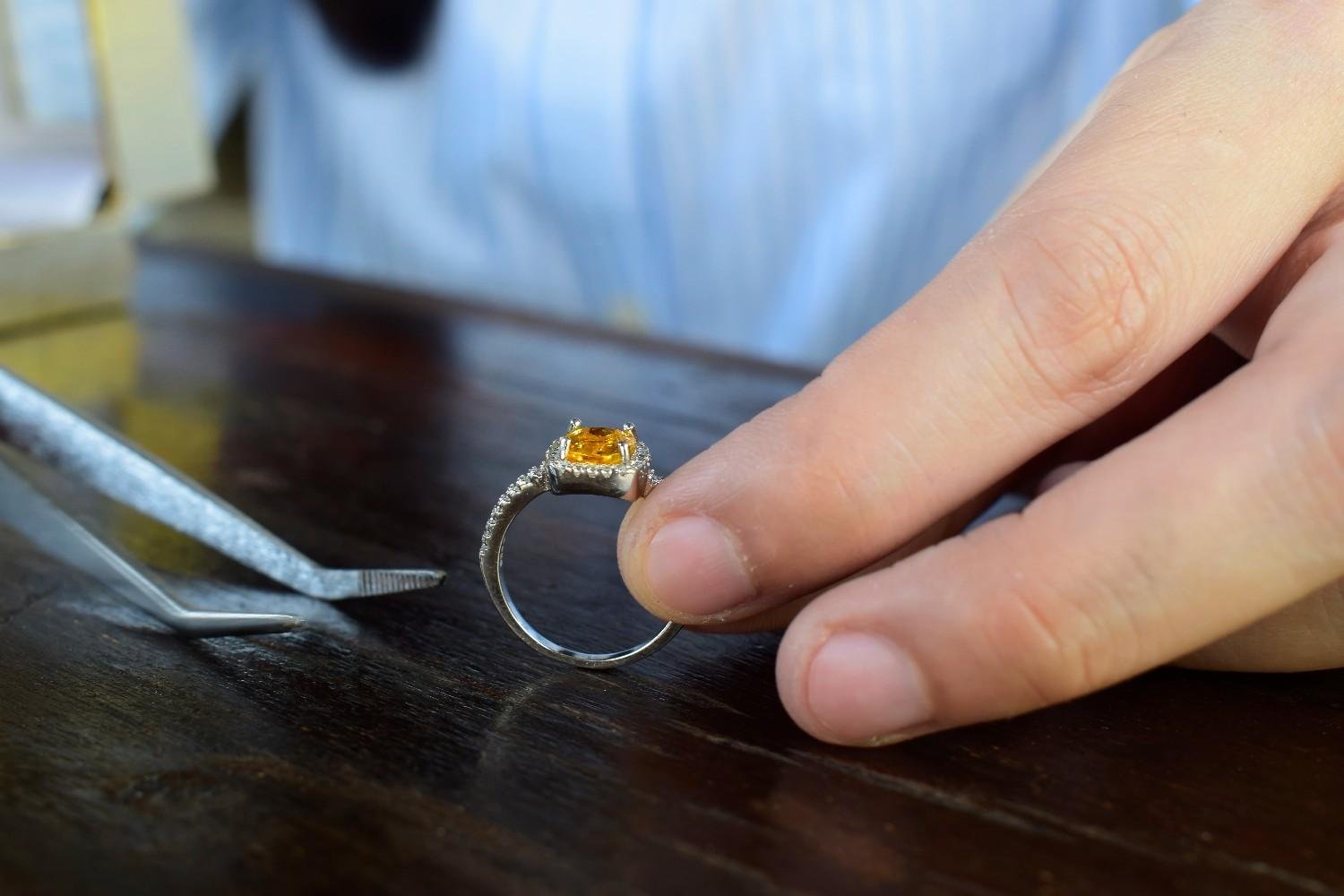
- Relying on only one test: No single test is foolproof. Always combine several methods for a more reliable result.
- Not checking hallmarks: Hallmarks are a strong indicator of authenticity, so be sure to check for them closely.
- Using excessive force: When performing the ceramic or acid test, be cautious not to scratch or damage your gold item.
Frequently Asked Question (FAQs)
1. Can gold be faked using gold plating?
Yes, many items are gold-plated with a thin layer of gold over a base metal. Gold-plated items will likely fail the magnet or streak test, so use multiple methods to confirm authenticity.
2. How accurate are the home testing methods?
Home testing methods like the magnet test and ceramic streak test provide a good indication of whether your gold is real. However, for complete accuracy, acid tests or professional XRF tests are recommended.
3. How can I tell if my gold is 24K or 18K?
To determine the purity, look for the hallmark on your gold item. 24K is pure gold, while 18K contains 75% gold and 25% other metals. The density test can also provide additional confirmation.
Be Confident in Your Gold Purchases
Knowing how to tell if gold is real (simple testing methods) is an essential skill that helps you avoid purchasing counterfeit gold. By using these simple and effective methods, you can be confident that your gold is authentic.
These tests will guarantee that you are always receiving genuine gold, whether you are purchasing gold jewelry, investing in coins, or are just interested in your collection.
For high-value items, professional testing methods offer the ultimate peace of mind. By combining home tests with expert analysis, you can confidently assess the authenticity of your gold.